trasporto refrigerato, furgone frigo personalizzato

From Customer to Delivery: Designing and Building Custom Refrigerated Solutions 

At ES Frigo we understand how important it is to turn the specific needs of each customer into tailor-made refrigeration solutions.  

From the first consultation to the final testing, our process is designed to ensure that each project reflects the practical and operational needs of the customer. 

Consultation and Needs Analysis 

The journey begins with a direct meeting with the customer, aimed at gathering all the necessary information to understand the type of product to be transported and how it will be handled.  

At this stage, we determine whether the goods are fresh, frozen, or require multiple temperature zones, and we analyse the loading and unloading methods for the vehicle. The type of vehicle to be used, whether a van, a lorry or a mobile box, is evaluated, taking into account the usable volume, the distribution of the load and the particular needs of the target sector, such as transporting meat or loading pallets. 

Technical Design 

Once the needs have been clarified, we move on to the technical design stage, which begins with the creation of a preliminary layout. This layout defines the internal space of the refrigerated body or box, the usable volumes, and the positioning of components to ensure balanced weight distribution and reduced thermal dispersion.  

At the same time, the refrigeration system is sized: we assess whether a system powered by the vehicle’s battery will suffice or whether a continuous-operation system is required, based on the type of the transport and how frequently the doors will be opened. A crucial aspect of the design concerns the construction of isothermal panels.  

These sandwich panels, consisting of a fibreglass skin and a high-density polyurethane core, are designed not only to ensure excellent thermal insulation, but also to withstand specific loads. For example, reinforced structures and metal inserts are integrated to allow secure mounting of the refrigeration unit, shelving or hanging rails – essential elements for transporting delicate or particularly heavy goods. 

Production and Assembly 

With the project approved, we finally move on to the operational phase. Production begins with the creation of individual panels, which are accurately shaped using advanced techniques.  

The processing of the polyurethane and the application of the fibreglass are carried out to create perfectly interlocking joints that eliminate thermal bridges and ensure the structural integrity of the unit. Subsequently, the panels are assembled to form the refrigerated box, a process that requires great care to ensure that all the reinforcement elements are positioned correctly.  

During assembly, the refrigeration unit is also integrated, complete with all the necessary electrical and mechanical connections, and provisions are made for the installation of any internal components such as shelving or customised racks.  

The final stage involves a series of tests and inspections to check the thermal stability, structural robustness and effectiveness of the refrigeration system, thus ensuring that the solution is ready to meet the daily challenges of transport. 

Ongoing Consultancy and After-Sales Support 

Our commitment does not end with the delivery of the finished product. At ES Frigo, we offer continuous support that includes scheduled maintenance services – ideal for maintaining the efficiency of the system in the long term. 

We recommend inspections at least twice a year, allowing for prompt intervention in the event of anomalies and ensuring compliance with operational specifications, even under varying conditions.  

In addition, we are always ready to provide updates and customisations should the customer’s needs evolve or new logistical challenges arise, adapting flexibly to market changes. 


At ES Frigo, we combine experience, technology and attention to detail to ensure that every project we deliver is effective and built to last. 

If you’d like to find out more about how we can help you design and build the perfect solution for your business, don’t hesitate to contact us. 

The Evolution of Refrigerated Transport: From Natural Ice to Future Technologies 

At ES Frigo we are passionate about everything related to technological innovation in refrigerated transport. Today, however, we want to take you on a journey through time — from the early solutions that used natural ice to the latest cutting-edge technologies that are transforming our industry.  

Let’s explore together the key milestones and technical innovations that have made this change possible. 

From Natural Ice to First Mechanical Innovations 

Natural Ice and the First Insulating Boxes 

Once, before there was mechanical refrigeration, the only “system” available was the collection of ice during winter.  

Ice was stored in caves or pits dug into the ground, which offered a consistently cooler temperature than the outside air. These pits were used to store meat, fish and other foods. Later, the first wooden boxes lined with ice were developed — a primitive but effective method of keeping food fresh during transport. 

The Birth of Mechanical Refrigeration 

As early as the 19th century, inventors such as William Cullen, Jacob Perkins, and other pioneers began experimenting with the first mechanical systems based on the gas compression cycle. These early systems paved the way for what would become a true revolution: the ability to create refrigerated environments autonomously and with precise control. 

After World War II, the Americans made significant contributions to the evolution of refrigeration systems by introducing compression and expansion technologies. These systems used compressed gases that, when expanded, absorbed heat from the environment, allowing the air to be cooled and the temperature of products to be maintained consistently. 

Modern Technologies and Technical Innovations 

From the Use of Polluting Gases to Environmental Sustainability 

In the following decades, the industry made great strides forward. In the 1930s and 1940s, synthetic refrigerants like Freon, were introduced which initially made it possible to have more compact and efficient systems. However, the discovery of the environmental impact of these gases, responsible for the ozone layer depletion, prompted the entire sector to look for greener alternatives.  

Today, refrigerants such as propane and ammonia are preferred, offering good performance with a lower impact on the environment, although they come with safety and regulatory restrictions. 

The Advent of Digitalisation and Remote Monitoring 

One of the most significant innovations in recent years has been the integration of electronics into refrigeration systems.  

With the introduction of sensors and remote monitoring devices, it is now possible to control the temperature and status of systems in real time, preventing malfunctions and responding promptly to any anomalies. 

It is not just a matter of “following a trend”, but of concretely exploiting technology to guarantee the quality of the product throughout the entire journey. 

Innovations in Design and Energy Management 

In recent times, the focus has also been on energy efficiency. Modern refrigeration systems are designed to optimise energy consumption, reducing costs and environmental impact.  

Cold storage systems have been tested, which allow the refrigeration system to be “charged” overnight (when demand is low) and to release the cold during the day, thus ensuring thermal stability even in conditions with frequent door openings

The Role of Predictive Maintenance and Artificial Intelligence

Looking ahead, the future seems to be heading towards the use of artificial intelligence (AI) for predictive maintenance.  

Although still in its early stages within refrigerated transport, AI promises to analyse large volumes of data to detect faults or anomalies before they become critical. This will not only improve the reliability of systems, but will also allow for more efficient and sustainable management of resources. 

Futuristic Experiments 

Another frontier of research concerns magnetic refrigeration. Still largely confined to laboratory testing, this technology uses magnetic fields to lower the temperature, potentially eliminating the need for refrigerant gases altogether. If applied on a large scale, it may once again revolutionise the industry by making it even more sustainable and efficient. 


The evolution of refrigerated transport is a story of ongoing innovation: from the simplicity of natural ice, to complex mechanical systems, the integration of digital solutions, improved energy efficiency and now the exciting possibilities of artificial intelligence and magnetic refrigeration. 

At ES Frigo, our experience and commitment to new technologies drives us to follow these developments enthusiastically, so we can offer increasingly high-performance, safe and sustainable solutions. 

Stay connected and keep following us: the future of refrigeration is constantly evolving and we are here to move forward on this exciting journey with you! 

furgone refrigerato, allestimento furgone, allestire furgone refrigerato, furgone trasporto alimenti, trasporto alimenti

Fitting Out a Refrigerated Van: Everything You Need to Know About Technical Solutions, Timings and Costs 

If you handle perishable or heat-sensitive products, sooner or later you will have wondered how to best equip a refrigerated van. Maintaining the cold chain is essential, but solutions can vary greatly depending on your needs, budget and type of work.  

From a simple “isothermal box” to more complex systems with refrigeration units or eutectic plates, there is no shortage of options.  

Let’s take a look at the main points together. 

What do you need to use it for? 

Transport vs Distribution 
The first thing to ask yourself is whether you will be making a single trip with final delivery or a distribution with many stops.  

If you open your van a few times (for example, transporting goods directly from point A to point B), you can also settle for a less sophisticated system such as a single isothermal box.  

If, on the other hand, you need to open the cargo area frequently for deliveries to several customers, you will need solutions capable of withstanding these continual temperature fluctuations. 

What temperature do you need to maintain? 

Fresh or frozen? 
Understanding the temperature at which you want to store the product is essential. Transporting fresh goods at 0°C is different from having to keep frozen goods at -20°C.  

If you have to handle fresh and frozen products at the same time, the issue is complicated: you may need systems that manage multiple temperatures in the same vehicle. 

What vehicle are you going to use? 

Permanent fit-out or insertion of a box? 
In some cases, a cold room is permanently installed inside a van or truck. In others, all that is needed is to fit a mobile isothermal box, without modifying the vehicle in an invasive manner.  

The choice depends on the volume of goods, the frequency of use and the flexibility you need. 

Is a simple isothermal box enough? 

If you need to cover short distances and do not open the van frequently, a container that maintains the temperature for the duration of the journey (perhaps an hour or slightly longer) may suffice.  

It is an economical solution, perfect for a craftsman who transports their products from a workshop to a shop, without too many intermediate stops. 

Do you have to make long trips with several van openings? 

Level up if you need longer trips or multiple openings. A refrigeration unit powered by the vehicle battery cools the isothermal box while the engine is running. 

Ideal for maintaining 0°C over long distances or with several stops, because the temperature is easily restored after each opening. 

Large-scale distribution and subzero transport 

For those of you who have to go down to -20°C and run into battery power limitations, eutectic plate systems are available that accumulate the cold overnight.  

The eutectic liquid freezes at very low temperatures (for example -30°C), and gradually releases the cold during the day, guaranteeing thermal autonomy even without a refrigeration unit running continuously. 

These are the most complex systems, but also by far the most effective for those with special needs. 

Time and costs: two important variables 

How much does it cost? 
It is difficult to provide a standard figure: this ranges from around €1,000 for a basic system (for example a simple isothermal box) up to €30,000 for larger and more complex installations, which able to handle different volumes and temperatures.  

The price increases with the capacity, the need for active refrigeration and the presence of multiple compartments. 

How long does it take? 
On average, a fit-out can take from 5 to 7 weeks.  

This includes the design, production of isothermal parts and/or construction of refrigeration or eutectic systems, plus any fixed installation in the vehicle. 

Fitting out a refrigerated van requires careful evaluation: the type of goods, the frequency of opening, the temperatures required, the loading volume and the available budget. Often, it is an investment that pays off in terms of quality of transport and protecting the goods. 

Whether you are a small-scale producer with few deliveries or a distributor supplying dozens of outlets, there is always a tailor-made solution. And with the right planning — and perhaps some advice from experts in the field — you can guarantee optimum thermal reliability and the satisfaction of your customers (as well as your own!). 

If you need personalised support or want to find out more about configuring your vehicle, ES Frigo is here to help you find the perfect solution — whether it’s a simple isothermal box or a eutectic plate system built for the toughest routes.  

Do not hesitate to contact us: the cold is our job! 

autobus, autobus elettrico, aria condizionata, trasporto elettrico

How to Cool an Electric Bus Without Draining the Battery 

The electric revolution has introduced many innovations in the transport sector, but if there is one aspect that often complicates the life of zero-emission vehicles it is climate control in the interior.  

A traditional air conditioner either relies on belts connected to the internal combustion engine or, alternatively, draws a large amount of power from the battery, compromising the vehicle’s range. And when the vehicle in question is a 30-seater bus, the challenge becomes even more serious. 

The problem to solve 

An air conditioning system that puts too much strain on the battery risks undermining the whole point of designing environmentally friendly electric vehicles. A number of manufacturers had tried to solve the issue by installing a small combustion engine dedicated solely to powering the air conditioning system. Unfortunately, this completely defeats the purpose of having a fully electric, zero-emissions vehicle! 

Another possible solution involved the addition of larger, bulky and expensive battery packs, not to mention the additional weight, ultimately increasing energy consumption. In short, a new, sustainable approach was needed – one that could keep both costs and battery impact to a minimum. 

Our idea 

When Iveco, a leading Italian company in the commercial vehicle sector, approached us to find a practical, efficient way to cool a passenger bus, we immediately turned to eutectic technology: a system that allows the “cold” to be stored while the vehicle is stationary, using mains electricity instead of draining the on-board batteries. How did we do it? We started with an idea that was as simple as it was effective: 

We basically used luggage racks to install tubes filled with distilled water. During the night, when the bus is connected to the power grid, the water is cooled significantly. Then, during the day, the vehicle’s internal ventilation system circulates air through these tubes, cooling the interior. In this way, the only additional energy use is for the fans – without putting any strain on the main battery. 

A project in collaboration with Iveco and the university 

This system was the result of a collaborative effort involving Iveco, The University of Eastern Piedmont and ES Frigo. European funding has made it possible to explore innovative solutions, bringing together research, engineering and sustainability. The first tests were a success – so much so that the prototype was sent to a major testing facility in Madrid, where Iveco operates cutting-edge infrastructure to test vehicle performance under extreme conditions. 

How the testing went 

At the Spanish test site, a team of researchers and technicians measured the energy needs of our air conditioning system with extreme precision. Thanks to this data, we were able to determine the number of kilowatt-hours that were needed to keep a medium-sized electric bus cool, while minimising the loss in driving range. 

The feedback was positive across the board: 

  • Energy savings: much of the thermal energy was already “stored” overnight. 
  • Cost reduction: no need for auxiliary engines or oversized battery packs. 
  • Passenger comfort: interior temperatures remained pleasantly cool even during the hottest hours. 
Why this was a special project 

Creating a eutectic air conditioning system for a 30-seater bus was a real leap into the future. We brought our expertise in refrigerated transport into a rapidly evolving sector: electric vehicles

It’s not every day you get to contribute to a project that reduces CO₂ emissions while maintaining passenger comfort – all without compromising the vehicle’s range. Working closely with Iveco and university researchers allowed us to tackle unique technical challenges and gather valuable data for future developments. 

This electric bus with cold storage technology is a tangible example of how innovation can open up new pathways for sustainable mobility. And we at ES Frigo are proud to have brought our expertise to the table to help solve a real-world challenge with a practical, forward-thinking solution

– 

Keen to learn more about our technologies for green mobility? Visit the section on solutions for the electrical world on the ES Frigo website and get inspired by the sustainable revolution! 

vasca trote, abbattimento etico, abbattimento trote

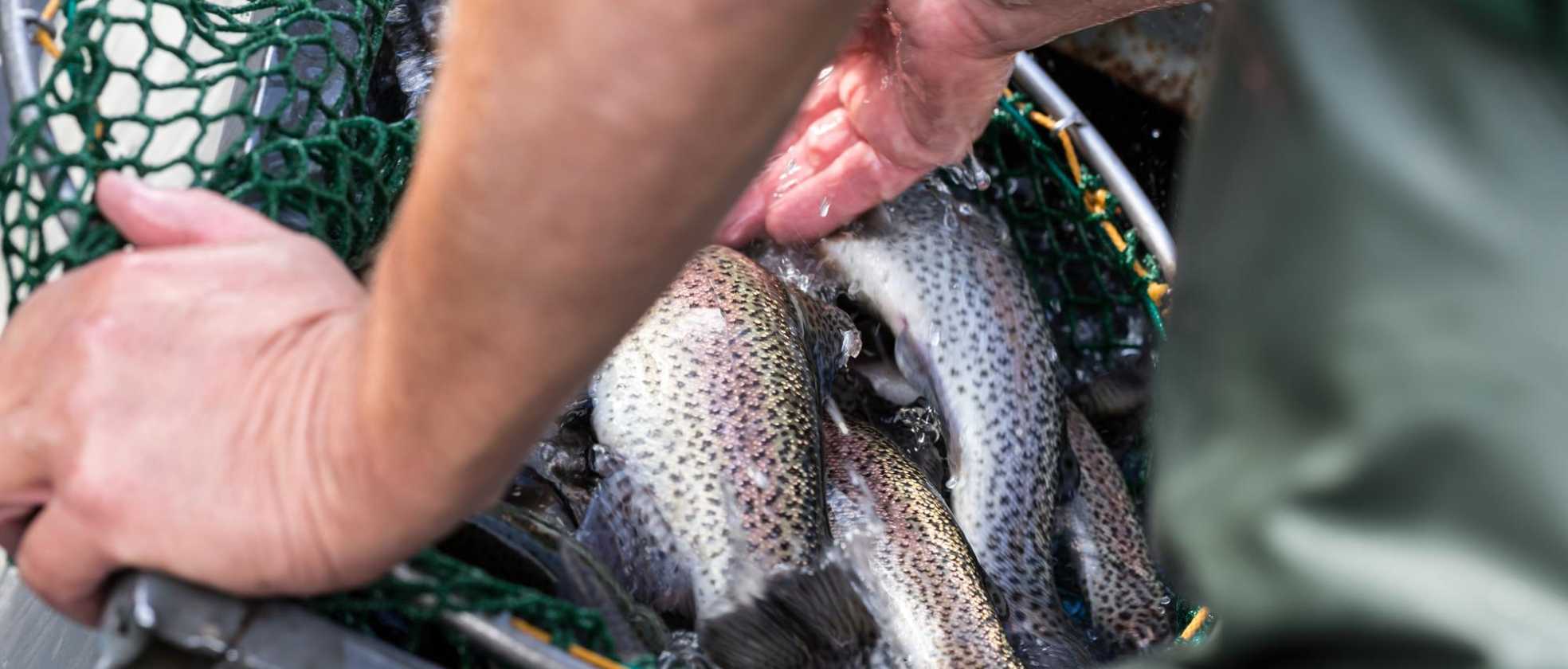
Handling Trout with Care: An Innovative Project for Animal Welfare 

When it comes to trout farming, we often think first of the quality of the final product or compliance with health regulations. But how often do we stop to think about how animals experience the final moments of their lives?  

The Friuli agri-food centre, together with the company Friultrota, wanted to turn this mindset on its head by contacting us with a truly revolutionary project: they wanted to ensure a more ethical slaughtering method, one that could minimise stress for the trout and optimise their welfare. 

An “ethical” slaughtering procedure 

The centre had already conducted studies on the different slaughtering techniques, discovering that animal welfare could be measured using an enzyme found in the blood of fish. More traditional methods, such as the blow to the head, yielded good results from the point of view of “speed” but did not always guarantee the highest standards of respect for the animal. This is why the idea of a “cold-induced asphyxiation” was considered, considering that trout can withstand temperatures as low as around -8 °C. 

How do you reach -10°C? 

This is where our experience comes into play. We had to design a system that would bring the water to a temperature of about -10°C, without freezing it. The basic idea? A salt-water tank (to lower the freezing point), combined with a eutectic system capable of reaching -16°C. 

But there was one important detail to consider: the water had to remain in a liquid state to allow the trout to swim, while being cold enough to induce a quick and painless “sleep”. In essence, we created a delicate balance between temperature, salinity and water recirculation, making sure that the fish didn’t experience a traumatic shock. 

The second challenge: a tank built for…600 trout! 

Keeping the water at -10° C was already a significant achievement, but the real hurdle came when the customer told us that they needed to process up to 600 kilograms of fish at a time. Imagine: hundreds of trout swimming together, raising the water temperature through body heat – and in no time, risking a loss in cooling efficiency. The tank also had to hold up to 6,000 kilograms of fish and water – a real structural challenge! 

To solve these problems, we engineered a reinforced structure, using materials suitable for supporting heavy loads without warping. In addition, we included special heat exchangers and a particularly powerful eutectic system capable of restoring the required temperature even after large batches of fish were introduced. 

An experiment in its own right 

Creating such a system on a large scale was, in every sense, an experiment. It was an experience halfway between science and engineering, involving tests and simulations to fine-tune every detail: from salt concentration, to the positioning of temperature sensors, to the monitoring of trout welfare.  

Each step was discussed with the specialists of the centre who, through blood analysis, confirmed significantly lower stress levels achieved with this slaughtering method. 

The results: animal welfare and customer satisfaction 

In the end, the system worked flawlessly: the trout, placed in this “super-chilled” water, entered a kind of dormant state before gradually dying and, according to the analyses, without peaks of stress. The customer, delighted to have found a more ethical solution, was able to confirm that the final product was of high quality, with a fresh, firm meat. 

Looking to the future 

This project is a striking example of how innovation and research can improve not only product quality, but also respect for animal welfare. More and more companies and research centres are showing interest in solutions that combine efficiency and compassion. And we’re ready for the next challenge, confident that cold chain technology can be applied in unexpected sectors. 

Whether it’s “just” trout or other animals, we believe that the desire to do better – for nature and for people – is the true driver of innovation. There’s still so much to learn, but this experience has taught us never to stop experimenting and exploring new paths. 

– 

Want to discover more stories where the animal world meets innovation in refrigeration? Check out our equally fascinating project involving some animals that are a bit more… furry! 

Read the full article now on our blog (link coming soon). 

trasporto animali, temperatura controllata animali trasporto, trasporto animali temperatura controllata

Does ES Frigo Put Dogs… in a Fridge!? Animal Transport with Temperature Control. 

We’re used to hearing about the cold chain for food and medicines, but who would have imagined applying it to the transport of dogs as well? This is the story of a unique project, developed in collaboration with a breeder, to ensure his four-legged friends could travel in comfort, safety, and without any stress. 

Why did they get in touch with us? 

Dogs are part of the family – we love them and want what’s best for them. But there is something we often don’t often realise: some breeds, especially those raised by professional breeders, are particularly sensitive to changes in temperature. Their coats protect them, of course, but not entirely. Their paws, for example, are vulnerable and can be seriously affected by hot or cold surfaces, leading to discomfort or, in some cases, even burns. That’s why, when dogs need to travel, especially over long distances, it’s essential to provide a controlled environment that shields them from extreme temperatures and sudden changes. 

The breeder, concerned about long journeys and temperature swings, came to us with a request: a transport solution that would keep his dogs safe, comfortable, and calm throughout the journey. Here’s what was needed: 

  • A stable, controlled temperature, to avoid thermal stress for sensitive dogs. 
  • A washable, sanitised interior, to ensure maximum hygiene and comfort. 
  • A comfortable, purpose-built space, including ventilation, lighting, and heated flooring. 
What did we come up with? 

We put our experience in refrigerated transport and insulation to good use, but this time applying it to a completely new area.  

To begin with, we focused on fibreglass panelling. The walls, which are usually smooth and flat in cold rooms, were specially angled to meet the breeder’s specific needs. This required the creation of panels completely tailored to his vehicle. 

Then there was the matter of climate comfort. To ensure a perfectly balanced temperature at all times, we installed a system of compact air conditioning units – keeping the space cool in summer and pleasantly warm in winter. The floor was fitted with electric heating elements powered by the vehicle’s battery, providing a warm, comfortable surface during cold days or sudden drops in temperature. 

Hygiene was another top priority. The fibreglass surfaces, combined with a carefully designed drainage slope, allow water to run off easily – making cleaning the transport compartment quick and efficient. 

Everything was designed to guarantee the dogs a safe, comfortable and stress-free journey… practically a first-class ticket – tailored to their needs! 

The results of the project 

This project opened the doors to a fascinating, new world. The breeder was thrilled with the result, so much so that the success of the solution soon attracted the attention of a new, unexpected client. 

Shortly after, a company working with the armed forces contacted us with a similar request, but on a larger scale: to design a transport system for dog teams on larger vehicles. It was an exciting opportunity that confirmed the value of our idea and encouraged us to explore even more potential applications. 

Our work with the breeder shows just how powerful it can be to combine proven expertise in refrigeration and insulation with the flexibility to adapt it to unconventional scenarios. The key? Know how to listen, understand real needs and transform them into tailor-made solutions

At ES Frigo, every challenge is a new door that opens up to fresh opportunities. And this is just the beginning! 

– 

If this story intrigued has you, check out our blog for more surprising case studies.  

Find out how ES Frigo continues to innovate with tailor-made solutions for every need

catena del freddo, catena freddo, trasporto refrigerato, trasporto alimenti

The Cold Chain: What It Is and Why It Matters 

Many are aware that the cold chain is an essential element in ensuring the quality and safety of many food and pharmaceutical products.  

But what exactly is it? How does the cold chain directly involve thousands of business owners in sectors across a variety of sectors? 

In this article we’ll explore what it is, how it works, and why it is essential in avoiding issues related to quality and safety. 

What is the cold chain? 

The cold chain is a set of procedures that ensure that a temperature-sensitive product, such as frozen foods or medicines, is constantly maintained at a controlled temperature along its entire journey, from production to point of sale. 

In practice, it is an “invisible thread” that links every stage of transport and storage of a temperature-controlled product. 

For example, a frozen food item must be stored at the temperature indicated on the label (usually -18°C). Every step of the supply chain – from production to the refrigerated lorry, to the warehouse and finally to the supermarket – must maintain this temperature to prevent damage to the product. 

Why is it so important? 

You’ve almost certainly heard of the critical need to maintain the cold chain. That’s because ensuring the cold chain is not broken is essential for several reasons: 

  1. Product quality: When a product undergoes temperature fluctuations, its quality can deteriorate. Take ice cream, for example: if it melts and is then refrozen, ice crystals form, altering its taste and texture. 
  1. Food safety: For certain foods, such as meat or fish, failure to maintain the cold chain can lead to the growth of bacteria. This not only compromises quality, but can also pose a serious health risk. 
  1. Regulations: The cold chain is governed by strict regulations, such as the ATP (Accord Transport Perissable), which define the temperature requirements and the times within which the product must be returned to optimal conditions. 
How does the cold chain work? 

As we’ve seen, the cold chain is a delicate balance of techniques and technologies that allows you to keep the temperature of a product constant throughout its journey – from production all the way to the store shelves. 

Its effectiveness is based on three key principles: 

  1. Consistent temperature: Throughout the entire supply route, from production to sale, the temperature must remain within the established limits. For example, crustaceans can be transported at -14°C, but for a short time they can tolerate a rise to -8°C, as long as this does not last more than 15 minutes. 
  1. Continuous monitoring: Transport vehicles, such as refrigerated trucks and isothermal boxes, must be equipped with tools to record temperature data. These readings ensure the product has been kept within the required conditions. 
  1. rapid recovery: If the temperature rises slightly (for example, when opening the doors of a lorry), the refrigeration systems must quickly bring it down to the correct level. 

These three principles work together to ensure that products reach the consumer under optimal conditions, fully compliant with hygiene and safety standards. 

When the cold chain is broken 

Breaking the cold chain means exposing the product to unsuitable temperatures for a longer period of time than allowed, putting its integrity and safety at risk. This can happen, for example, during loading and unloading operations, when the product is left unrefrigerated for too long, or even simply if it sits for just a few minutes in the sun in a hot loading bay. 

The consequences of such disruptions can be devastating to product quality. Take fresh fish: inadequate refrigeration or a break in the cold chain can quickly alter its organoleptic properties and promote the formation of histamine – a substance that can cause food poisoning. This not only affects the taste and smell, but also endangers the health of the consumer. 

And it’s not just fresh fish: many other food items are susceptible to degradation that can affect taste, nutritional value and, in some cases, even food safety. For this reason, maintaining an flawless cold chain is not only a technical requirement, but a fundamental commitment to those who put trust in our products. 

The cold chain across different sectors 

From food storage to pharmaceuticals to industrial materials, maintaining the right temperature is essential to ensure quality, safety and efficacy. Let’s find out how the cold chain is applied in different sectors.

Food sector 

The cold chain is essential for preserving the freshness, safety and quality of foods such as meat, fish, dairy and frozen foods. Each food type has specific temperature requirements – clearly indicated on labels –which must be strictly observed to avoid health risks and product deterioration. For example: 

  • Frozen meat: -12°C. 
  • Frozen fish: -18°C. 

 
Even minor fluctuations in temperature can compromise the taste, texture and nutritional value of these foods. Ensuring the integrity of the cold chain is therefore an act of responsibility towards the consumer. 

Pharmaceutical sector

The cold chain also plays a crucial role in the pharmaceutical sector. Vaccines, insulin and other temperature-sensitive medicines must be stored within extremely precise temperature ranges, often between 2°C and 8°C, to maintain their effectiveness. A slight fluctuation can make a drug unusable, putting patient health at risk. Advanced monitoring technologies and alarm systems are critical in ensuring these products arrive at their destination in optimal condition. 

Industrial sector 

In the industrial sector as well, certain materials and products require temperature-controlled transport. Think, for example, of resins, adhesives, chemicals or temperature-sensitive electronic components. Temperature control in this context is not only a matter of quality, but often of safety, as some substances may deteriorate or become unstable when exposed to unsuitable conditions. 

How to ensure the cold chain is maintained 

Ensuring the cold chain is respected is not just a matter of compliance, but a commitment to preserving quality, safety and consumer trust. Here are some key practices to maintain this delicate balance: 

  1. Use certified equipment: Refrigerated lorries and isothermal boxes must comply with applicable regulations, such as ATP certification. 
  1. Monitor temperature: Temperature recorders must be certified according to EN 12830 standards and calibrated regularly. 
  1. Avoid thermal shock: Carefully plan loading and unloading to minimise the time the product is exposed to outdoor temperatures. 
  1. Train staff: All personnel involved must be aware of the importance of the cold chain and the consequences of any lapses. 

If you’re unsure whether your cold chain processes are compliant or would like to assess your operations against the latest quality and regulatory standards, feel free to get in touch with the ES Frigo team! 

We are at your disposal to offer you no-obligation consultancy and provide tailor-made solutions – Contact us now! 


The cold chain is a complex but essential system for ensuring the quality and safety of temperature-sensitive food and pharmaceutical products. It is governed by strict regulations and requires specialist equipment, continuous monitoring, and meticulous attention to detail. 

If you need support to better manage the cold chain in your business, ES Frigo is here to help! 

Rules and Certifications for the Transport of Refrigerated Food: Everything You Need to Know 

Do you really know everything you need to safely transport fresh or frozen food? Do standards and certifications look like a complicated maze to you? 

Transporting food is not just about loading it onto a lorry and driving off: there are well-established rules to ensure food arrives fresh, safe and free from any health risks. 

In this clear and practical guide you’ll discover all you need to know about standards and certifications for the transport of refrigerated food. 

What is ATP regulation? 

The ATP regulation is an international rule that defines how to transport perishable foodstuffs such as ice cream, fish, or meat. It applies only to road transport and is designed to ensure products remain at the right temperature throughout the journey. 

Here are some required temperatures for different types of food: 

  • Ice cream: maximum -20°C. 
  • Frozen fish: maximum -18°C. 
  • Frozen meat: maximum -12°C. 
  • Butter: maximum -10°C. 

To meet these temperature requirements, lorries must have special instruments that continuously record and monitor the internal temperature. These instruments must comply with the EN 12830 standard, which guarantees accuracy and reliability. 

How are containers certified? 

Containers used to transport food must be approved by the Ministry of Transport. The main steps to obtain certification are: 

  1. Container testing: The manufacturer submits a sample to the Ministry to verify its characteristics. 
  1. Company certification: The company that produces the containers must also demonstrate that they comply with the required standards. 
  1. Final authorisation: If everything is compliant, the container gets the authorisation and can be used for transport. 

A container certified for very low temperatures, such as -20°C, can also be used for transport at higher temperatures, but not the other way around. This ensures greater versatility for carriers. 

ES Frigo certifies all its products in compliance with the latest regulations, ensuring full compliance with national and European laws. 

What about refrigeration systems? 

In addition to containers, refrigeration systems used in lorries must also be certified. They must ensure flawless operation, maintaining the correct temperature even during activities such as loading, unloading or opening doors. 

For example, during the defrosting of the evaporator, a slight rise in temperature is allowed, but no more than 3°C. This small margin ensures that the food always remains safe at all times. 

Inspections and renewals 

Containers and refrigeration systems must be checked regularly to make sure they are working properly. The inspection schedule is as follows: 

  • Initial inspection: Six years after the first certification. 
  • Subsequent renewals: Every three years for two cycles, then every six years thereafter. 

These inspections are carried out at authorised test centres. To find one nearby, you can contact the manufacturer directly or consult the official websites of the Ministry of Transport. 

What about hygiene regulations? HACCP 

In addition to ATP regulations, compliance with HACCP (Hazard Analysis and Critical Control Points) standards must be observed, covering food hygiene and safety. This means that the containers must always be: 

  • Clean and rust-free. 
  • Well maintained and in optimal condition. 
  • Compliant with local health regulations. 

Health certification is issued by the ASL (the local health authority) and serves to demonstrate that the containers are suitable for the transport of food. 

What about medicines? 

Transporting medicines also requires great care, but follows different rules from ATP. It is still essential that the medicines are stored at the correct temperature, using certified containers and monitoring tools compliant with EN 13486 standards. This is especially important for sensitive products such as vaccines or refrigerated medicines. 

What if a container is damaged? 

If a container is damaged, such as a broken seal or a hole in the structure, it is crucial to immediately check whether it still complies with regulations. Here’s what to do: 

  1. Visual inspection: Check for any obvious signs of damage. 
  1. Practical tests: Try monitoring whether the container can still maintain the required temperature. 
  1. Specialist centre: Take the container to an authorised test centre for a thorough inspection. 
Further details on temperature procedures 

According to ATP regulation, the temperature of the food must be continuously monitored during transport. Temperature recorders must be certified and calibrated regularly. For inspections or measurements, it is important to: 

  • Carry out checks in refrigerated environments so as not to compromise the quality of the food. 
  • Use suitable instruments, such as certified temperature probes. 
  • Observe allowable tolerances (e.g. a maximum variation of 2°C for non-destructive measurements). 

These procedures help to ensure that food arrives at its destination in perfect condition. 


Complying with regulations for the transport of refrigerated food is not just important – it is essential to ensure the quality and safety of the products.  

With the right certifications, inspections and care, it is possible to carry out this activity efficiently and with no risk. If you have any questions or need support, our experts are always ready to help out! 

Box isotermico, box isotermici

Isothermal Boxes: A Complete Guide for Businesses 

Transporting fresh goods in summer or sensitive medicines under controlled temperatures is no longer the challenge it once was. Isothermal boxes have revolutionised the way sensitive goods are transported, combining simplicity and innovation to provide practical, reliable solutions.  

In this article, we’ll walk you through these must-have tools: what they are, how they work, and how to choose the perfect model for your needs. 

What is an isothermal box and what is it used for? 

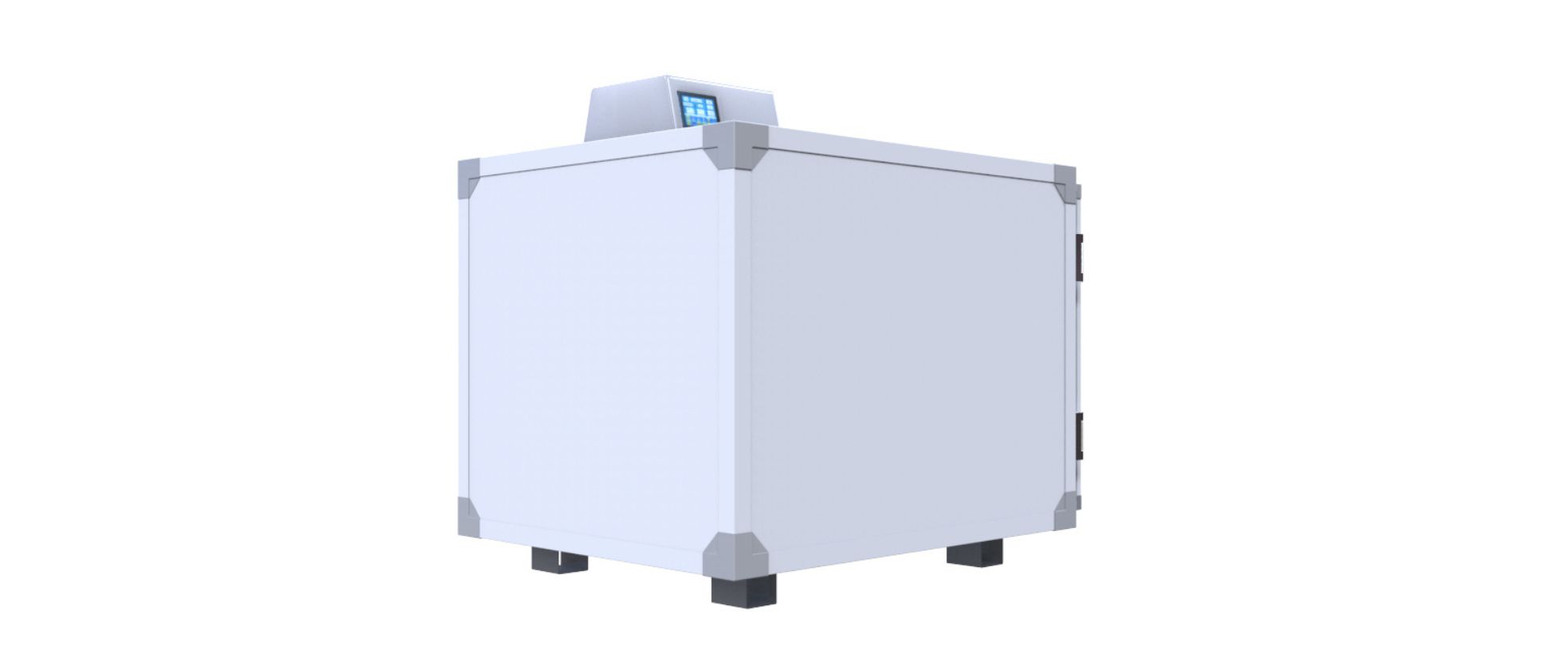
An isothermal box is a container designed to keep the internal temperature constant, protecting the contents from external temperature fluctuations. Ideal for transporting fresh food, temperature-sensitive drugs or industrial materials, isothermal boxes ensure that your products arrive at their destination in perfect condition. 

For example, in the food sector they ensure that fruit, vegetables, meat and dairy products stay fresh throughout the journey, preventing spoilage caused by heat. In the pharmaceutical sector, they are essential in keeping vaccines and medicines at the right temperature, preserving their effectiveness. But it doesn’t end there: the industry also uses them to transport delicate materials that require thermal stability. 

In short, isothermal boxes are indispensable tools for anyone dealing with temperature-sensitive goods. 

How are isothermal boxes made? 

Not all isothermal boxes are the same: there are two main types, each designed for different needs. 

  • Foamed Boxes: These boxes are made of a plastic framework filled with expanded polyurethane – an insulating material that provides a good thermal barrier. They are made using moulds, which means they come in predefined sizes with limited customisation options. This makes them ideal for those seeking a cost-effective and lightweight solution for standard transport needs. However, their fixed structure may be less suitable for specialist applications. 
  • Fibreglass and Rigid Polyurethane Boxes: These boxes offer superior quality thanks to the fibreglass walls, which are both durable and suitable for contact with food. Inside, the rigid polyurethane ensures excellent thermal insulation. This type of box is fully customisable, with no limits on shape or size, and is ideal for complex and long-duration transport operations.  

Each model has its own distinct advantages, and the best choice will always depend on your specific operational needs. 

Want to be absolutely sure you’re making the right choice before investing in an isothermal box? Get in touch with a specialist technician at ES Frigo: with no obligation, you’ll find the ideal solution for your needs. 

Whether you opt for a foamed or fibreglass model, the goal is the same: to maintain the quality of your goods during transport. 

Thermal or isothermal: what is the correct term? 

Thermal” and “isothermal” are often used interchangeably, but there is a significant difference. 

The correct term is “isothermal”, as it refers to the ability to maintain a stable internal temperature, whether hot or cold. Many mistakenly believe that isothermal boxes are only useful for cold storage, but they can also be used to retain heat, for example for cooked foods. 

How to choose the most suitable isothermal box? 

Choosing the right isothermal box is easier than it seems. You just need to answer these questions: 

  1. What are transporting? Food, pharmaceuticals or industrial materials? 
  1. How are you transporting it? What type of vehicle and how much space is available? 
  1. How long will the trip take? Duration and number of openings affect the choice. 
  1. What are the environmental conditions? Will the box have to deal with extreme climates or temperature fluctuations? 

Once these variables have been established, it will be easier to decide whether to opt for an isothermal or refrigerated box, perhaps with the help of an expert. 

Another important factor to consider is regulations, which can be very different depending on the product you are dealing with. 

Isothermal or refrigerated box: how to understand which one you need? 

Isothermal boxes are ideal for short trips or when you don’t need to open them often. If, on the other hand, you need to maintain a specific temperature for long periods, refrigerated boxes with active cooling systems are the right choice. These may include refrigeration units powered by the vehicle’s battery or thermal packs for continuous cooling. 

Isothermal boxes also offer numerous advantages: 

  • Eco-friendly: They consume less energy by reducing reliance on active refrigeration, making them a more sustainable choice. 
  • Versatile: Suitable for a variety of sectors, from food to pharmaceuticals. 
  • Durable: Made with sturdy materials such as fibreglass, they provide a long-lasting service and help reduce long-term costs. 

For example, a farm might use isothermal boxes to deliver fresh cheese without worrying about spoilage, while a pharmaceutical distributor can be confident that vaccines will arrive intact and safe. 

Refrigerated boxes, on the other hand, are indispensable for trips that require active temperature control for extended periods. Key benefits include: 

  • Precise temperature control: Thanks to active refrigeration systems, they maintain specific temperatures, even under extreme environmental conditions. 
  • Operational flexibility: Ideal for long-distance transport or with frequent openings, they ensure that the internal temperature remains stable. 
  • Enhanced protection: Perfect for highly sensitive goods such as medicines, vaccines and frozen products, minimising the risk of spoilage. 

For instance, an ice cream distributor can rely on refrigerated boxes to maintain product quality during long deliveries. Similarly, pharmaceutical companies depend on them to safely transport temperature-sensitive medicines. 

– 

With ES Frigo, you have an expert partner to help you find the perfect solution for your needs, making your job easier and more secure.  

When it comes to temperature-sensitive transport, there’s no room for error: discover ES Frigo Isothermal Boxes or find your own tailor-made solution

ES Frigo for Maxxi Museum: Ice at the Museum?

How we Created an Installation Spanning Art and Technology

Imagine entering a very cold room, with the ceiling and walls covered by a thick layer of ice. Not artificially reconstructed, but real ice, constantly forming and maintaining itself in the heart of one of Italy’s most important museums.

This is exactly the project that ES Frigo has completed in collaboration with the MAXXI Museum in Rome, as part of the exhibition ‘Sensazioni in Ambiente’ (Sensations in Environment). An ambitious challenge, only made possible by unique and original solutions.

The MAXXI challenge

When the MAXXI Museum contacted ES Frigo, the briefing was as fascinating as it was complex: create an environment where ice would form on the ceiling and part of the walls of a 6 by 4-metre room. The work was to remain on display for six months, giving visitors the impression of being inside a real chamber made of ice.

But the project was fraught with technical challenges: it was set in an uninsulated, large, open space with plasterboard walls, with visitors coming in and out, bringing body heat and disturbing the delicate thermal balance. As if that were not enough, the artist’s need was to have all the refrigeration equipment directly inside the work itself, to emphasise the noise of the machinery. A true test of endurance.

Complex problems, innovative solutions

We faced a number of technical obstacles that would have discouraged most people. How to maintain ice and prevent it from melting on surfaces not designed to withstand the cold? How to counteract the heat generated by the visitors and even by the very refrigeration machinery we needed? The answer was to find a unique solution, a dual condensing system.

The double condensing unit: how to maintain ice in an open environment

The key to success was the installation of a double condensing unit, a key element in meeting all requirements. ES Frigo installed an internal condensing unit, seamlessly integrated into the artwork’s environment according to the aesthetic requirements of the artist, and an external condensing unit, designed to control the actual cooling. While the internal condensing unit helped to create the desired auditory effect, the external condensing unit ensured that the room temperature remained constantly below zero.

In this way, it was possible to create a microclimate that would allow ice to form and remain stable, without damaging the plasterboard structure and keeping the room safe for the thousands of visitors who immersed themselves in the work for months.

A chilling installation: the frozen room that caused a sensation

The result was extraordinary: a completely frozen room, capable of arousing awe and wonder among MAXXI’s visitors. The ice held out for six months without melting. But the success of the project was not only technical: the greatest satisfaction was to meet precisely and thoroughly all of the artist’s needs, without compromise, adapting the technology to a work that needed an extremely delicate aesthetic touch.

ES Frigo: from the cold chain to contemporary art

This story perfectly represents the spirit of ES Frigo: the ability to solve complex problems, to think outside the box and to adapt to the most unusual demands, providing innovative solutions.

This installation is tangible proof of how even the refrigeration sector can become fertile ground for art and creativity, and how we are able to bring innovation and reliability wherever there is a need to keep cool, even when that need is… artistic.